Image-led essays
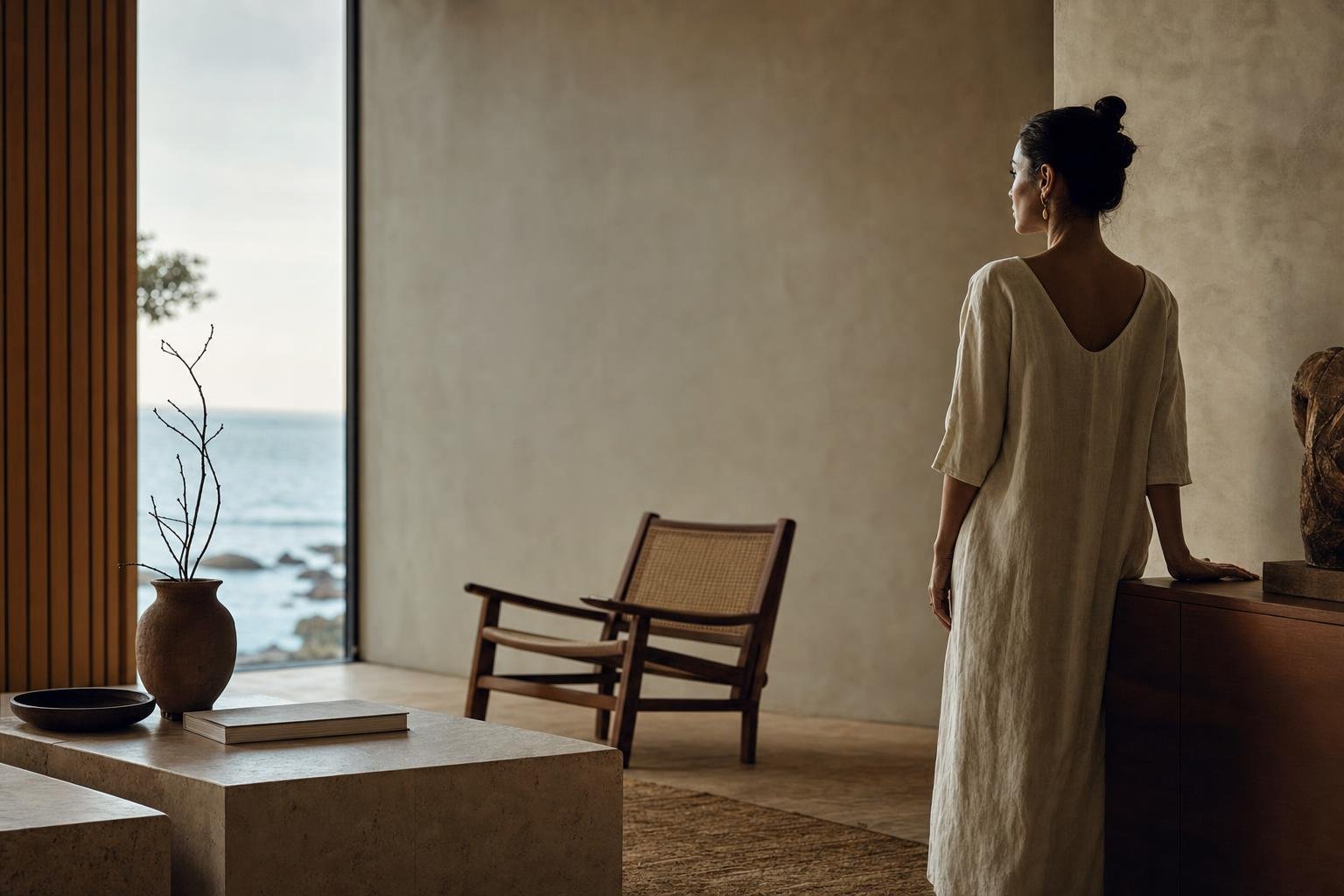
Design is visual first, so each piece leads with the work at full width — the poster, the chair, the room — before the argument begins. Your eye gets to reach its own verdict.
Design Journal
Essays on graphic design, product, interiors, and type — the objects and images we live with, and the decisions that shaped them. This is placeholder copy you can swap for your own editorial voice in a minute.
What you'll find here
Not roundups and not hot takes, but slow, argued essays about why a thing looks the way it does. Every article on this site is a placeholder you can edit, delete, or replace with your own writing.
Design is visual first, so each piece leads with the work at full width — the poster, the chair, the room — before the argument begins. Your eye gets to reach its own verdict.
No object appears from nowhere. We trace where a form came from — the movement, the constraint, the earlier idea it argues with — so the present makes more sense.
Graphic, product, interiors, and type each have their own logic. Articles are filed by field so you can go deep in the corner of design you care about most.
The final artifact hides a hundred decisions. Where we can, we show the sketches, the rejected routes, and the small trade that made the piece work.
A journal that likes everything says nothing. We make the case for what is good and honest about why something falls short — respectfully, but plainly.
Detailed enough for practitioners, clear enough for the merely curious. You should leave each essay seeing one ordinary object a little differently.
How this journal works
A quick look at the rhythm behind each piece — feel free to rewrite this section to describe your own process.
Step 01
Every essay starts with a small itch — a poster that stops you on the street, a chair that feels wrong to sit in, a typeface used somewhere it should not be. The seed is always a specific, physical thing.
Step 02
Then the research: who made it, what they were reacting against, what constraint produced the form. We read, we compare, and we throw out the theory that does not survive contact with the actual object.
Step 03
A cover image, a discipline tag, and an honest read time later, the essay goes live on the manage screen. Readers browse by field, open a piece, and hopefully never see that object the same way again.
Latest
Tap any card to read the full essay and see the work. New pieces appear here as they're published, newest first.
From fellow readers
Placeholder testimonials — replace these with real notes from the designers and readers who follow along.
"The essay on grids finally made me stop apologizing for using one. It reframed the whole thing as a structure that sets you free rather than a cage. I've quoted it to three clients since."
Lena F.
Graphic designer
"I sent the typeface piece to my entire studio. It says out loud what we all feel but never articulate about why a font can be technically fine and completely wrong."
Arjun P.
Brand studio lead
"The interiors writing is unusually honest — it argues for restraint without turning it into a personality. The empty-wall essay changed how I hang my own work."
Mika T.
Interior architect
Before you dive in
A few common questions from readers. Rewrite these answers to match how you actually cover design and culture.
No. Everything here is placeholder content built for essays, not headlines. We are interested in why work endures rather than what launched this week, so pieces are written to still make sense a year from now.
Add your own writing and the work behind it from the manage screen. This is your journal to fill — one closely looked-at object at a time.